
The Role of Risk and Reward in Gambling
Understanding the motivations behind gambling choices often starts with the inherent allure of risk and reward. Players are frequently drawn to the potential for significant wins, which can trigger a release of dopamine in the brain, creating a sense of thrill and excitement. This neurochemical response can make the experience of gambling incredibly compelling, leading players to take risks they might not consider in other areas of life.
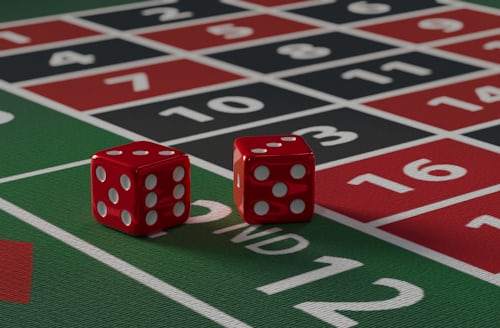
The psychology of risk-taking is complex, as it combines personal experiences with broader social influences. High-stakes games tend to elevate adrenaline levels, making individuals more likely to place bets they might otherwise avoid. This sensation of ‘chasing losses’ can further reinforce the gambling cycle, as players may feel compelled to continue betting in hopes of recouping their previous losses. online gambling california
Emotional Influences on Game Selection
Emotions play a significant role in the choices individuals make at casinos. Many players choose games based on their current mood or emotional state. For example, someone experiencing stress may gravitate towards games that offer quick action and higher volatility, like slots or poker, believing it could provide an escape or a distraction from their troubles.
The Influence of Social Dynamics
Social dynamics also significantly impact gambling decisions. The atmosphere of a casino, including the presence of other players, can heavily influence individual behavior. Gamblers often feel less inhibited when surrounded by others, which can lead to larger bets and more impulsive decisions. This social aspect is particularly evident in games like poker, where the presence of opponents can change the strategies players employ.
Furthermore, social validation can drive game choices, as individuals might feel compelled to join in on a popular game or follow friends to a specific table, enhancing the sense of community within the gambling environment. This communal experience can foster a sense of belonging, making it more likely that individuals will return to the casino.
The Impact of Branding and Game Design
Casino game design and branding play crucial roles in attracting players. The vivid colors, engaging themes, and innovative features of modern games are tailored to capture attention and enhance the gaming experience. Game developers understand that certain aesthetics and mechanics can evoke positive emotions, influencing players’ decisions to try specific games.
Moreover, the marketing strategies employed by casinos can create a powerful allure around specific games. Promotions, bonuses, and themed events can significantly affect players’ perceptions, leading them to associate certain games with excitement or potential success. This branding influence underlines the importance of psychology in both game development and casino strategy.

Understanding Community and Support Resources
For those who actively participate in gambling, understanding the psychological factors at play is essential, especially when navigating the complex landscape of casino gaming. Organizations like the NAACP Los Angeles branch offer resources and support for individuals within the community. These initiatives aim to empower individuals, providing them with the tools to make informed choices about their gambling behaviors.
By promoting awareness and education around responsible gambling, these organizations help individuals recognize the psychological drivers behind their bets. Understanding these influences fosters healthier approaches to gaming, allowing for enjoyment while mitigating the risks associated with gambling.